what is Responsive Web Design ,and why is it vital in 2024
 Yash Mandhare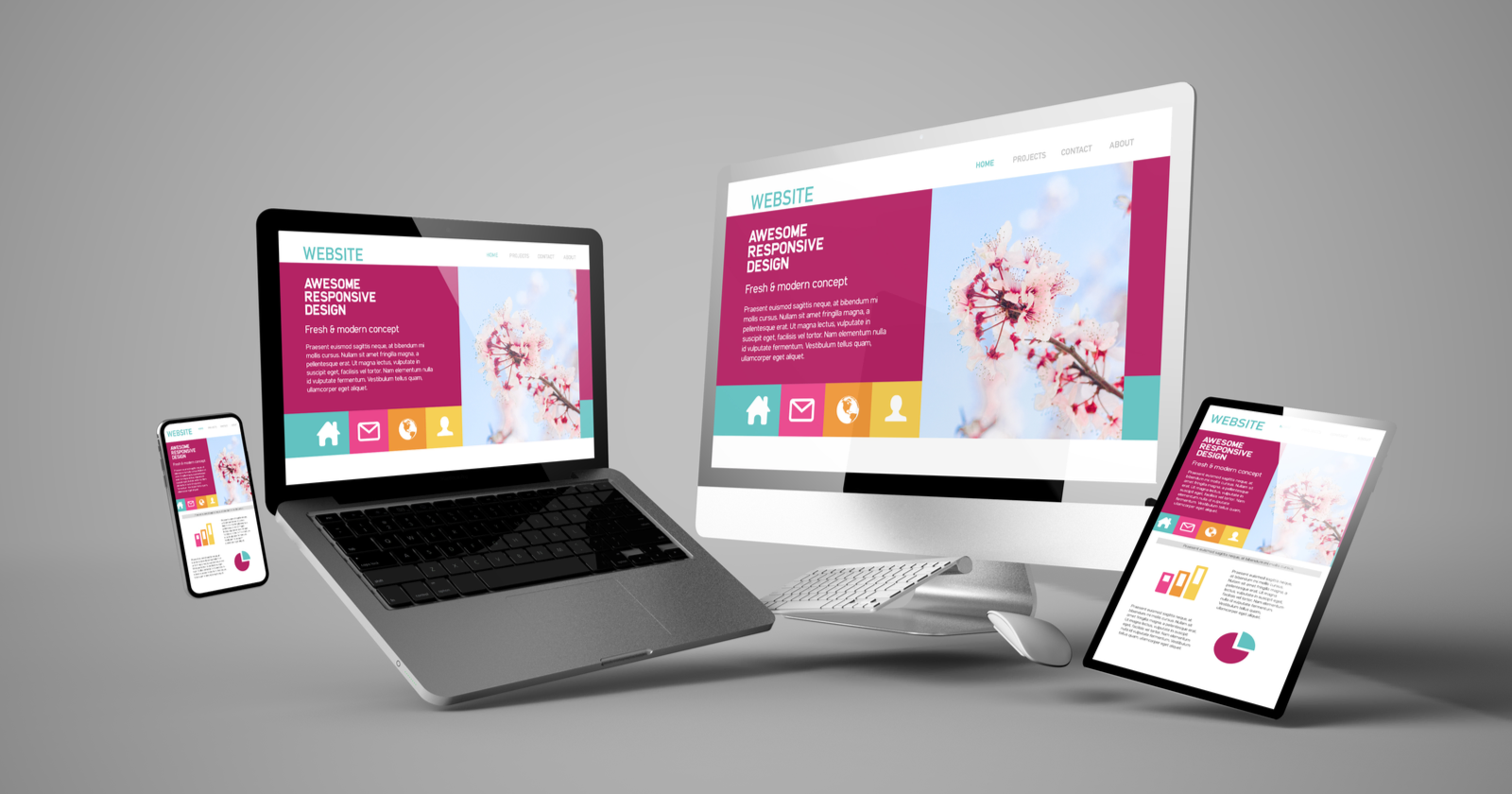
In a world where users seamlessly traverse between an array of devices, Responsive Web Design (RWD) emerges as the maestro orchestrating the ballet of digital adaptability. This comprehensive exploration delves into the intricacies of RWD, unveiling its significance, key attributes, and the artistry involved in crafting a responsive masterpiece.
Responsive Web Design Unraveled
Responsive Web Design, at its core, is an intricate dance of web elements that respond fluidly to the user's device, behavior, and environment. It transcends the traditional confines of fixed layouts, ensuring that a website not only maintains readability but gracefully adapts to the varied dimensions of screens, creating a harmonious experience across the digital spectrum.
Key Traits of Responsive Web Design:
- Dynamic Adjustments: A responsive website is a shape-shifter, dynamically tweaking its layout, images, and text to seamlessly fit the screen size. This dynamic flexibility ensures a consistent visual identity across devices.
- SEO Harmony: Beyond aesthetics, RWD plays a pivotal role in the realm of Search Engine Optimization (SEO). Google, the search engine giant, favors responsive websites, bestowing them with higher rankings and increased visibility in search results.
- User-Centric Experience: The soul of responsive design lies in enhancing the user experience. No longer burdened by the need to zoom in or navigate through awkward layouts, users are treated to a seamless and enjoyable journey through a responsive website.
The Business Imperative: Joining the Responsive Dance
SEO Elevation:
The decision to adopt responsive design isn't a mere trend; it's a strategic move for businesses seeking digital prominence. Google's algorithms, attuned to the virtues of responsiveness, reward such websites with improved SEO scores, increased traffic, and a lower bounce rate, providing a backstage pass to enhanced digital visibility.
Visual Symphony:
Picture a website that effortlessly exudes visual brilliance on every device. This is the enchantment of responsive design. Optimized text and images create a visually captivating symphony, leaving an indelible impression on users irrespective of the screen they choose.
Enhanced User Experience:
Beyond aesthetics, responsive design is about crafting a user experience that flows effortlessly. Clunky layouts and disjointed content are relegated to the past; a responsive website ensures users can seamlessly navigate and savor content, fostering a positive and engaging interaction.
Mastering the Art: Strategies for Implementing Responsive Web Design
Embrace Flexibility:
Responsive design necessitates a paradigm shift for web developers. The era of pixel-specific dimensions, fixed positions, and absolute values gives way to a flexible approach. Websites must dynamically adjust proportions to the screen size, creating an adaptive and versatile user interface.
Optimize Load Times:
In the digital realm, load times wield significant influence. Developers, cognizant of this, must strike a delicate balance between image quality and size. Quick loading on both laptops and smartphones becomes imperative, aligning with the expectations of a demanding audience and search engine standards.
Differentiate Responsive and Mobile-Friendly:
It's essential to recognize the distinction between a responsive website and a mobile-friendly one. While a mobile website is a separate entity catering specifically to mobile devices, a responsive website is a singular entity that adapts universally to varying screen dimensions. Opting for the latter ensures a streamlined, low-maintenance online presence.
The Responsive Web Design Ballet: Conceptual Dance of Adaptability
Ethan Marcotte's analogy of responsive web design mirroring responsive architectural design provides profound insights. Much like a room dynamically adjusting to accommodate the ebb and flow of people, a responsive website adapts dynamically to the myriad screens and devices users employ.
Flexibility Beyond Dimensions:
Responsive web design transcends mere screen dimensions. It incorporates fluid grids, fluid images, and intelligent markup, ensuring adaptability to the evolving landscape of devices. This adaptability is not confined to size alone but extends to the intricate interplay of design elements.
A Showcase of Responsive Brilliance: Illustrating the Dance of Adaptability
To truly grasp the nuanced brilliance of responsive design, envision a website seamlessly transitioning from a desktop display to a tablet or smartphone without sacrificing its charm. The fluidity of elements, graceful resizing of images, and harmonious layout adjustments collectively create a symphony of adaptability, captivating users on every screen.
In conclusion
Responsive Web Design is not merely a fleeting trend; it is an indispensable necessity in the contemporary digital ecosystem. Businesses aspiring for online prominence must embrace the dance of adaptability, ensuring their websites perform seamlessly across devices. From the tangible benefits of SEO elevation to the intangible yet critical realm of enhanced user experiences, responsive design is the key to stealing the spotlight on the dynamic stage of the internet. So, let your website join the dance and captivate users on every screen!