Top 10 Web Design Trends for 2024
In the dynamic landscape of web design, staying abreast of the latest trends is crucial for creating visually stunning, user-centric websites. This comprehensive exploration delves into the intricacies of the top 10 web design trends for 2024, providing detailed insights into each trend. From immersive 3D elements to sustainable and eco-friendly design, this detailed overview aims to guide designers in incorporating these trends thoughtfully for an enhanced user experience and a competitive edge in the digital realm.
1. Immersive 3D Elements
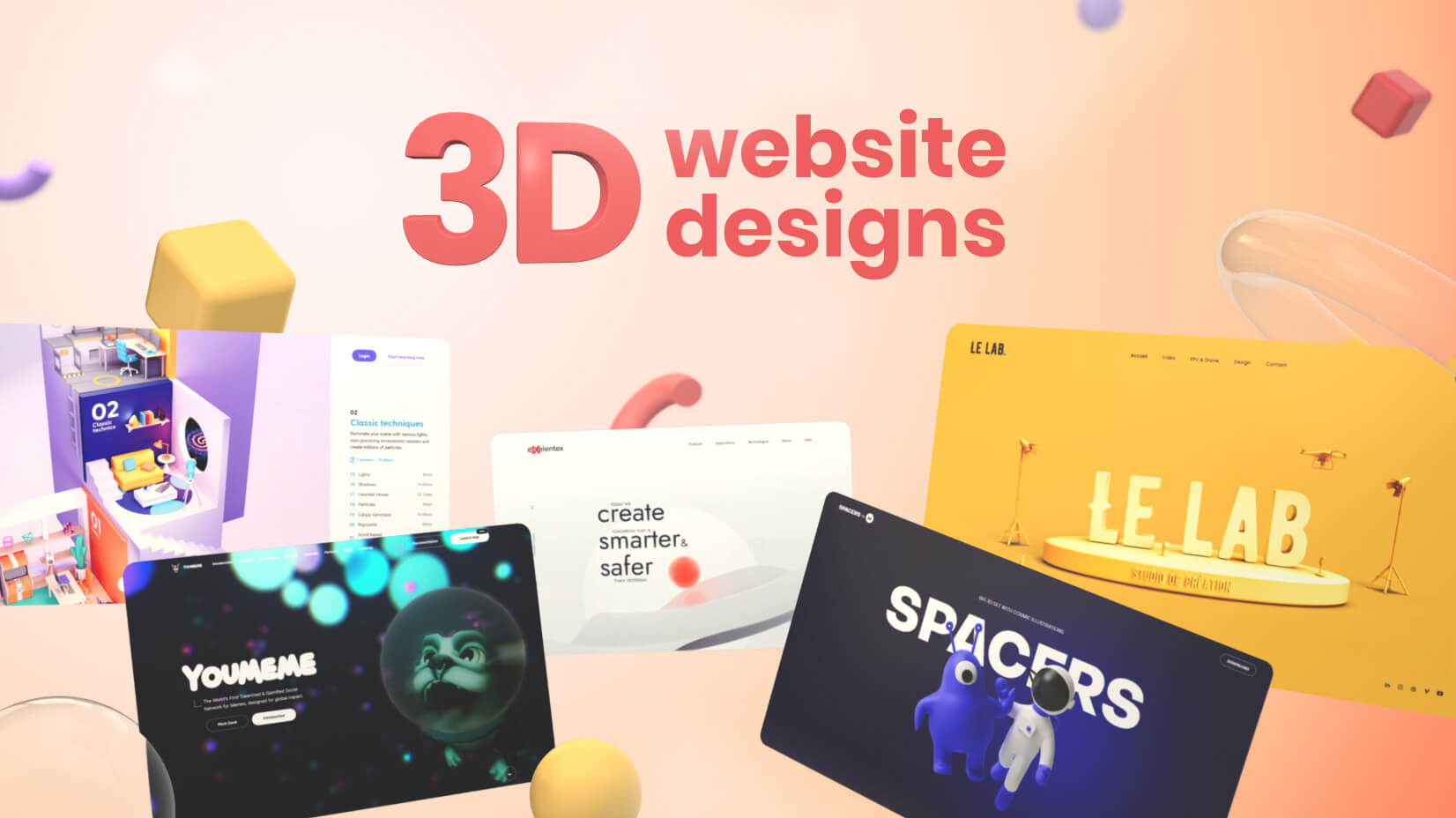
Immersive 3D elements involve the integration of three-dimensional graphics, animations, and interactive elements into web design. This trend aims to create a more engaging and visually striking user experience. Designers use advanced technologies like WebGL to render 3D graphics directly in the browser, providing users with a sense of depth and interaction. These elements can range from 3D product models on e-commerce sites to animated backgrounds and transitions, enhancing the overall visual appeal of the website.
2. Dark Mode Design
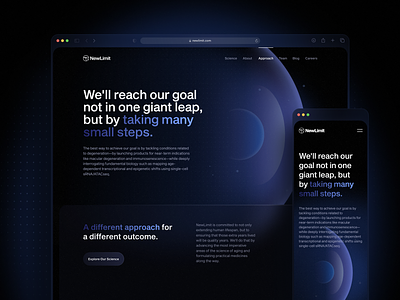
Dark mode design has gained popularity for its aesthetic appeal and practical benefits. This design trend involves the use of dark color schemes, often with high contrast text and elements. Besides the stylish appearance, dark mode reduces eye strain in low-light conditions and can extend battery life on devices with OLED screens. Designers carefully balance the use of dark backgrounds with legible text and vibrant accents to create visually appealing and readable interfaces.
3. Neumorphism or Soft UI
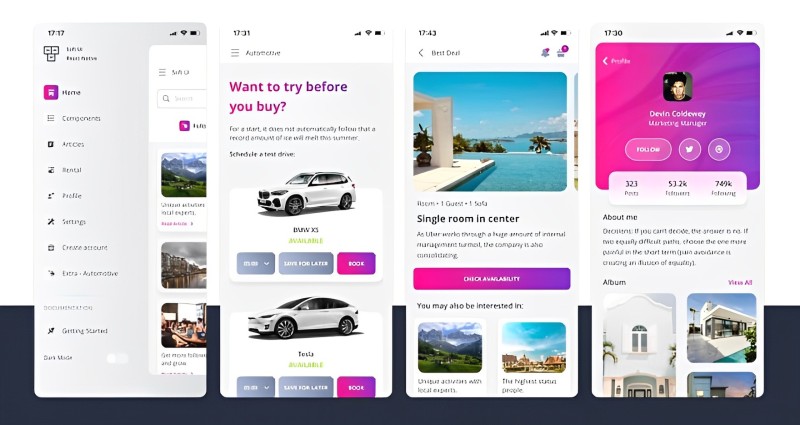
Neumorphism, also known as Soft UI, combines elements of skeuomorphism and flat design. This trend introduces a tactile and realistic feel to digital interfaces by incorporating soft shadows and highlights. Neumorphic elements appear to extrude from the background, creating a sense of depth. This design approach emphasizes simplicity and user-friendly aesthetics, with subtle shadows providing a sense of interaction and touch.
4. Minimalist and Clean Layouts
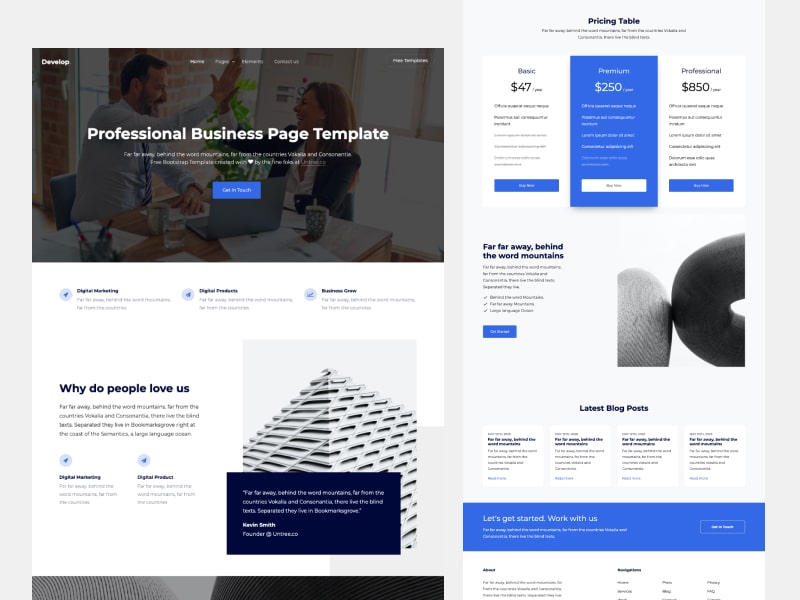
Minimalist and clean layouts continue to be a timeless trend in web design. This approach focuses on simplicity, removing unnecessary elements, and emphasizing essential content. Clean layouts use ample white space, clear typography, and straightforward navigation to create an uncluttered and easy-to-navigate user experience. The emphasis on minimalism not only enhances visual appeal but also contributes to faster page loading times and improved usability.
5. Microinteractions
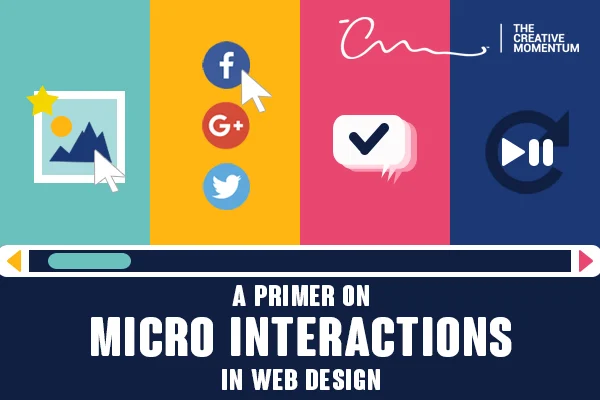
Microinteractions are subtle animations or responses to user actions, enhancing the overall user experience. These small, interactive details include animations for button clicks, hover effects, and loading indicators. Microinteractions provide feedback to users, making the interface more intuitive and engaging. Designers meticulously craft these subtle animations to create a seamless and delightful experience, encouraging user interaction and participation.
6. AI-Powered Design
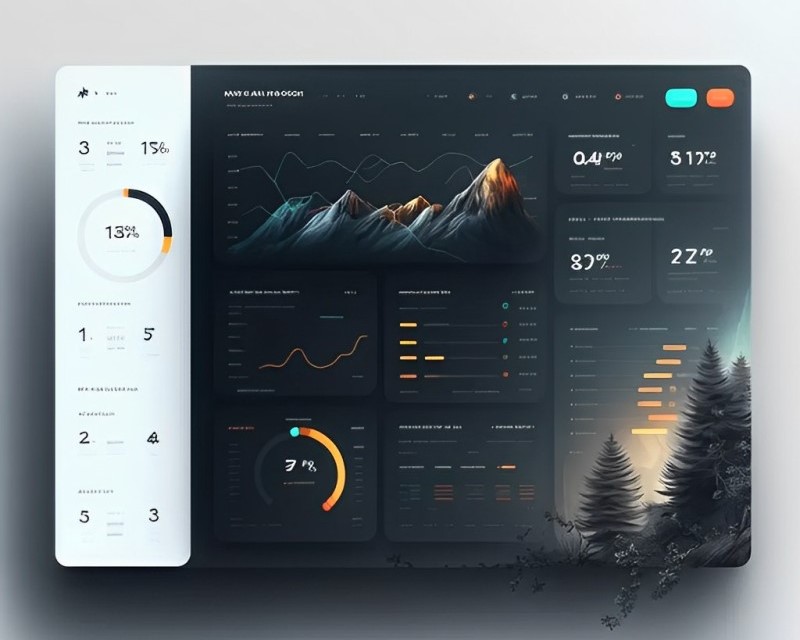
AI-powered design involves the use of artificial intelligence algorithms to analyze user behavior and personalize the user experience. AI can dynamically adjust content, layout, and even design elements based on user preferences and interactions. Machine learning algorithms analyze data to understand user patterns and optimize the website for better engagement. This trend ensures that websites evolve and adapt in real-time, providing a more personalized and relevant experience to each user.
7. Immersive Storytelling
Immersive storytelling in web design integrates narrative elements to create a captivating user experience. This trend involves using scrolling animations, multimedia content, and parallax effects to guide users through a visual story. Websites leverage storytelling to communicate brand messages, showcase products, or engage users in a narrative journey. Designers carefully craft the user journey, combining visuals, text, and interactive elements to create a seamless and immersive storytelling experience.
8. Augmented Reality (AR) Integration
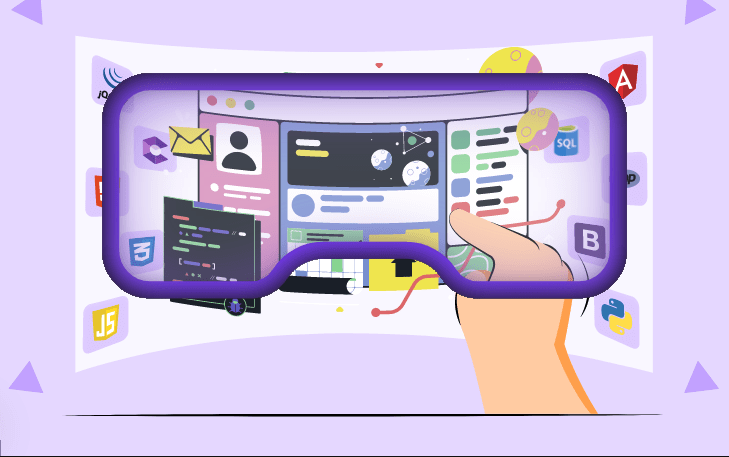
Augmented Reality (AR) integration in web design introduces interactive and dynamic experiences. This trend allows users to engage with virtual elements overlaid on the real world through their device's camera. AR can be used for virtual try-ons in e-commerce, interactive educational content, or enhancing product visualization. Designers leverage AR technologies to create more engaging and interactive web experiences, blurring the lines between the digital and physical worlds.
9. Variable Fonts
Variable fonts provide designers with greater flexibility in typography. Unlike traditional fonts with fixed styles, variable fonts allow for dynamic adjustments in weight, width, and other attributes within a single font file. This trend promotes creativity in typography, enabling designers to create more expressive and adaptable text elements. Variable fonts enhance the visual appeal of websites while offering scalability and improved loading efficiency.
10. Sustainable and Eco-Friendly Design
Sustainable and eco-friendly design addresses the growing awareness of environmental issues in the digital space. This trend encourages responsible design practices, including the use of eco-friendly graphics, energy-efficient design elements, and messaging that promotes sustainability. Designers aim to create websites that minimize environmental impact, considering factors such as server energy consumption, efficient code practices, and eco-conscious visuals. This trend aligns with the broader societal shift towards environmental consciousness and responsible design practices. These detailed insights into each web design trend for 2024 showcase the intricacies and considerations involved in creating visually stunning, user-centric, and technologically advanced websites. By incorporating these trends thoughtfully, designers can elevate the overall web experience and stay at the forefront of the ever-evolving digital landscape.